ChatGPT Is Introducing Ads. Here’s the UX Risk Nobody Is Talking About
As ChatGPT prepares to introduce ads, most conversations focus on revenue and scale. But the bigger question is how monetization reshapes user trust, cognitive flow, and product intent. This Studio Notes piece explores the hidden UX risks product teams should pay close attention to.
Jan 28, 2026


Why ChatGPT Introducing Ads Matters Beyond the News
The introduction of ads in ChatGPT is not just another product update. It represents a fundamental shift in how one of the most trusted AI tools positions itself in the minds of its users.
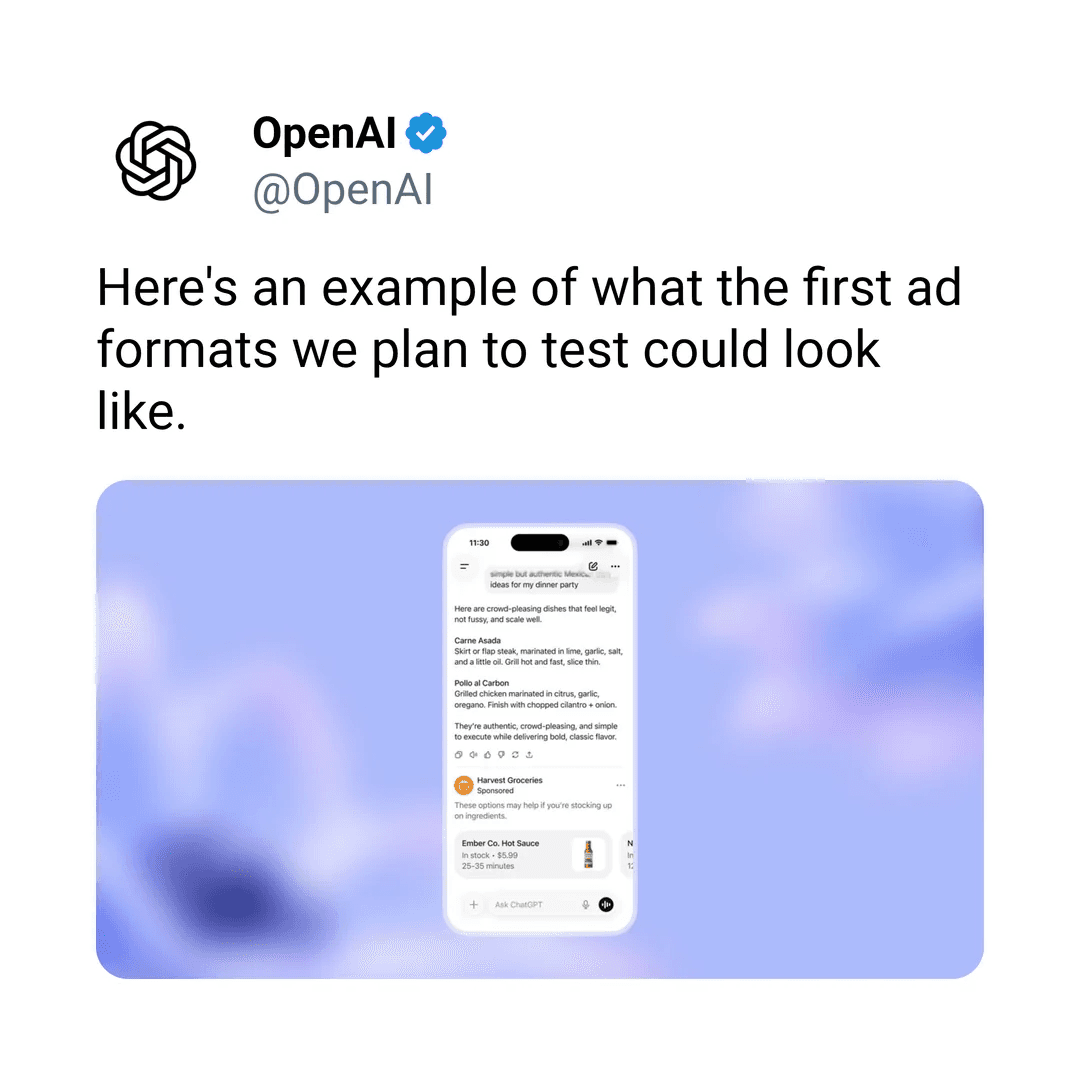
For a long time, ChatGPT has felt like a neutral utility. You open it with a clear expectation. Ask a question, get help, move on. Ads introduce a new layer of intent into that experience. Once monetization becomes visible inside the core interaction, the product no longer feels purely assistive. It starts to feel persuasive.
That distinction matters more than most teams realize.
Ads Are Not Neutral in Product Design
In product design, nothing is neutral. Especially not ads.
Ads always carry intent. Even when they are subtle, relevant, or well designed, they signal that the product has an additional goal beyond helping the user. That signal changes how users interpret everything else inside the interface.
For SaaS founders and product teams, this is an important reminder. Monetization choices shape perception just as much as layout, copy, or interaction patterns. When ads enter a product, users begin to question whether recommendations are helpful, sponsored, or optimized for revenue.
That shift in perception happens quietly, but it changes the experience fundamentally.
The Real UX Risk Is Context Switching
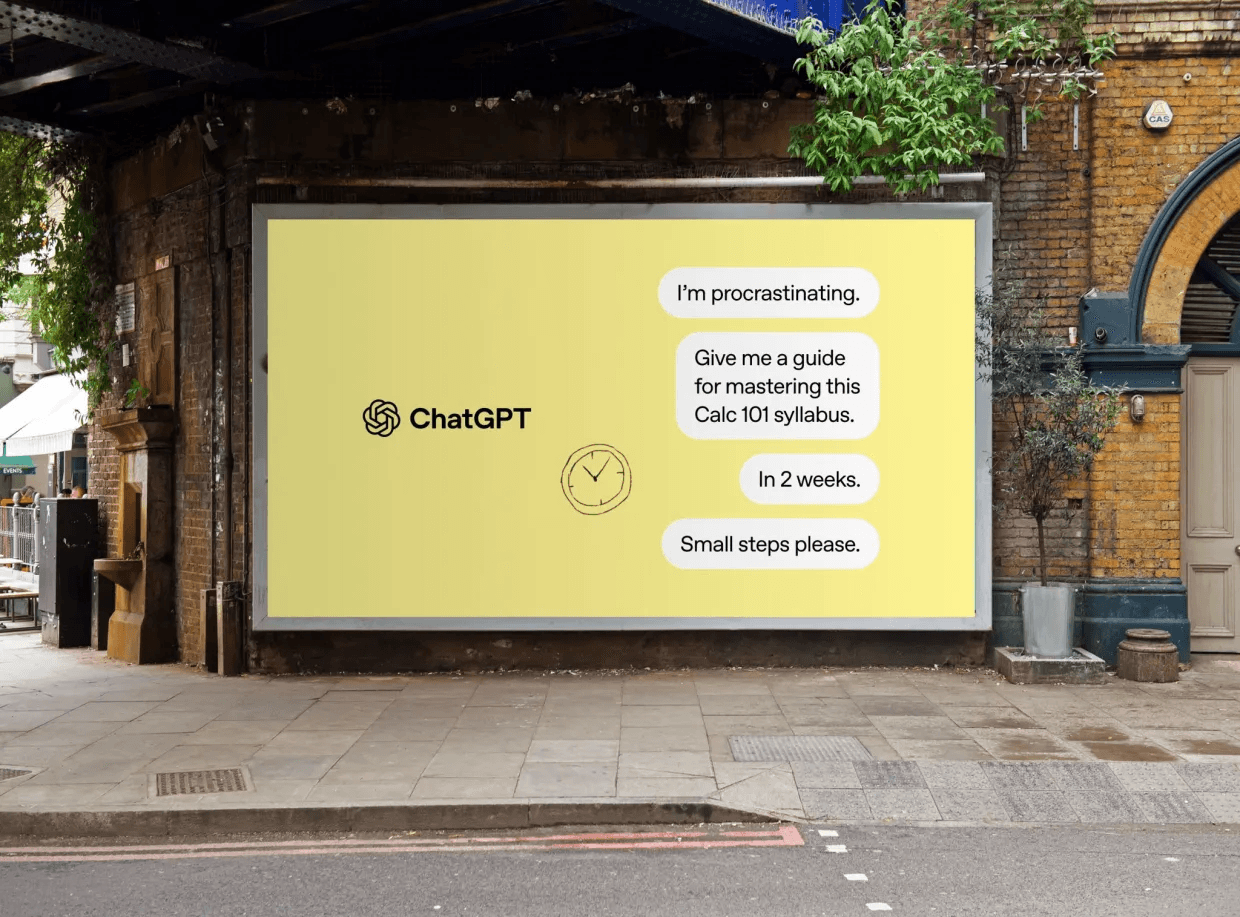
The biggest UX risk with ads is not visual clutter. It is context switching.
ChatGPT works because it supports focused thinking. Users ask, refine, and explore ideas without interruption. Introducing ads into that flow creates subtle breaks in concentration, even if the ads are minimally intrusive.
AI products rely heavily on uninterrupted cognitive flow. When that flow is broken, users are pulled out of problem-solving mode and into evaluation mode. Over time, these micro interruptions add friction and reduce perceived value.
Context switching rarely shows up clearly in metrics, but users feel it almost immediately.
User Trust Is a UX Metric, Not a Brand Value
Trust is often framed as a brand concept, but in reality it is a design outcome.
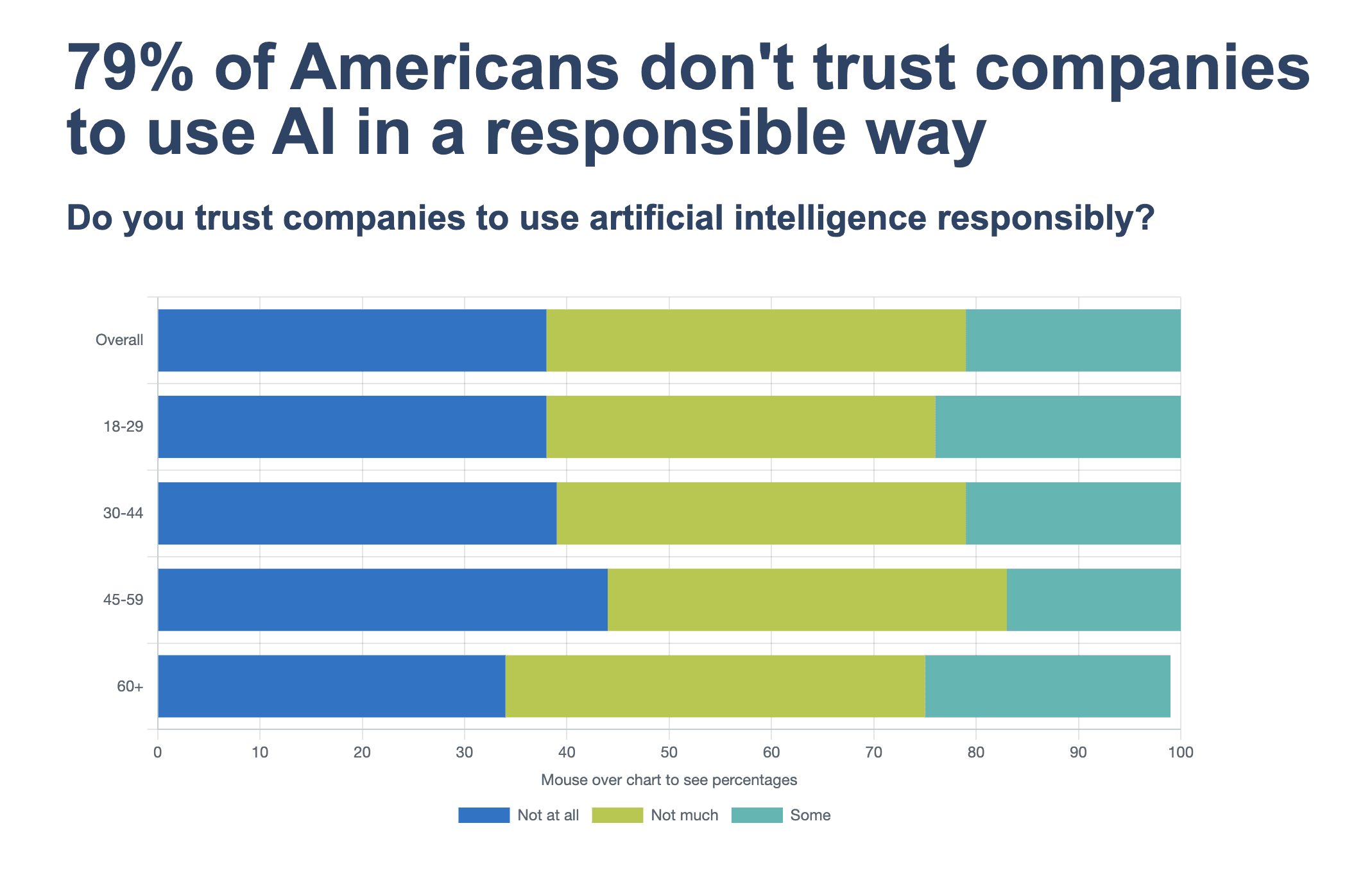
Users trust products when they believe the product is acting in their best interest. Ads complicate that belief. Even ethical or optional ads introduce doubt about motivation. Users begin to wonder whether outputs are driven by usefulness or influence.
This matters even more for AI products. People rely on them for answers, clarity, and decision support. When monetization enters the same space as guidance and insight, trust becomes fragile.
Trust rarely disappears overnight. It erodes gradually, interaction by interaction.
Monetization Is a Product Decision, Not a Growth Hack
Monetization is often treated as a late-stage growth lever. In reality, it is a core product decision.
Ads affect information hierarchy, interaction priorities, and long-term product direction. They influence what gets built next and how success is measured. Over time, they shape what the product becomes.
For SaaS founders, this is the deeper lesson. Short-term revenue decisions can introduce long-term UX debt. That debt shows up later as churn, disengagement, or loss of differentiation.
Strong products treat monetization with the same care as their core user experience.
What Product Teams Can Learn from ChatGPT Right Now
This moment offers clear lessons for teams building and scaling digital products.
Before introducing ads or similar monetization models, teams should ask:
Does this align with how users currently perceive our product?
Will this interrupt the core user workflow?
Are we prepared to manage the trust tradeoff over time?
Not every product should avoid ads. But every product should understand the cost of introducing them. Sometimes restraint is the most thoughtful design decision a team can make.
Where a Design Partner Actually Helps
These decisions are rarely simple. Monetization, UX, and product strategy intersect in ways that are difficult to untangle internally, especially as teams grow and pressure increases.
This is where having the right design partner matters.
At Maydit, we work with SaaS and tech teams during moments like these. Whether it is rethinking monetization, refining product UX, or navigating a major product shift, our focus is on helping teams scale without breaking user trust.
If you are considering a monetization change, redesign, or product evolution and want a second opinion grounded in product thinking and UX clarity, a short conversation can bring immediate perspective. You can book a call with Maydit to talk through your product and where design can support long-term growth.
Final Thoughts
ChatGPT introducing ads is not just a headline. It is a live case study in how product decisions ripple through user experience and trust.
The teams that succeed long term are the ones that treat moments like this thoughtfully, with design involved early and intentionally. That mindset is what turns useful products into products people rely on.
Continue Reading

Your SaaS Website Is Polished. That’s Not Why It’s Not Converting.
Most SaaS websites look finished on the surface. Underneath, they struggle to guide users, build trust, and convert intent into action. After working closely with SaaS founders and product teams, we’ve seen why polish fails and where conversion really comes from.

Siddarth Ponangi
Your SaaS Website Is Polished. That’s Not Why It’s Not Converting.
Most SaaS websites look finished on the surface. Underneath, they struggle to guide users, build trust, and convert intent into action. After working closely with SaaS founders and product teams, we’ve seen why polish fails and where conversion really comes from.
Siddarth Ponangi
Your SaaS Website Is Polished. That’s Not Why It’s Not Converting.
Most SaaS websites look finished on the surface. Underneath, they struggle to guide users, build trust, and convert intent into action. After working closely with SaaS founders and product teams, we’ve seen why polish fails and where conversion really comes from.
Siddarth Ponangi