
Summarize with AI


First impressions matter. A clean interface, a smooth onboarding flow, and an early success moment all help reduce anxiety when someone is new to a product.
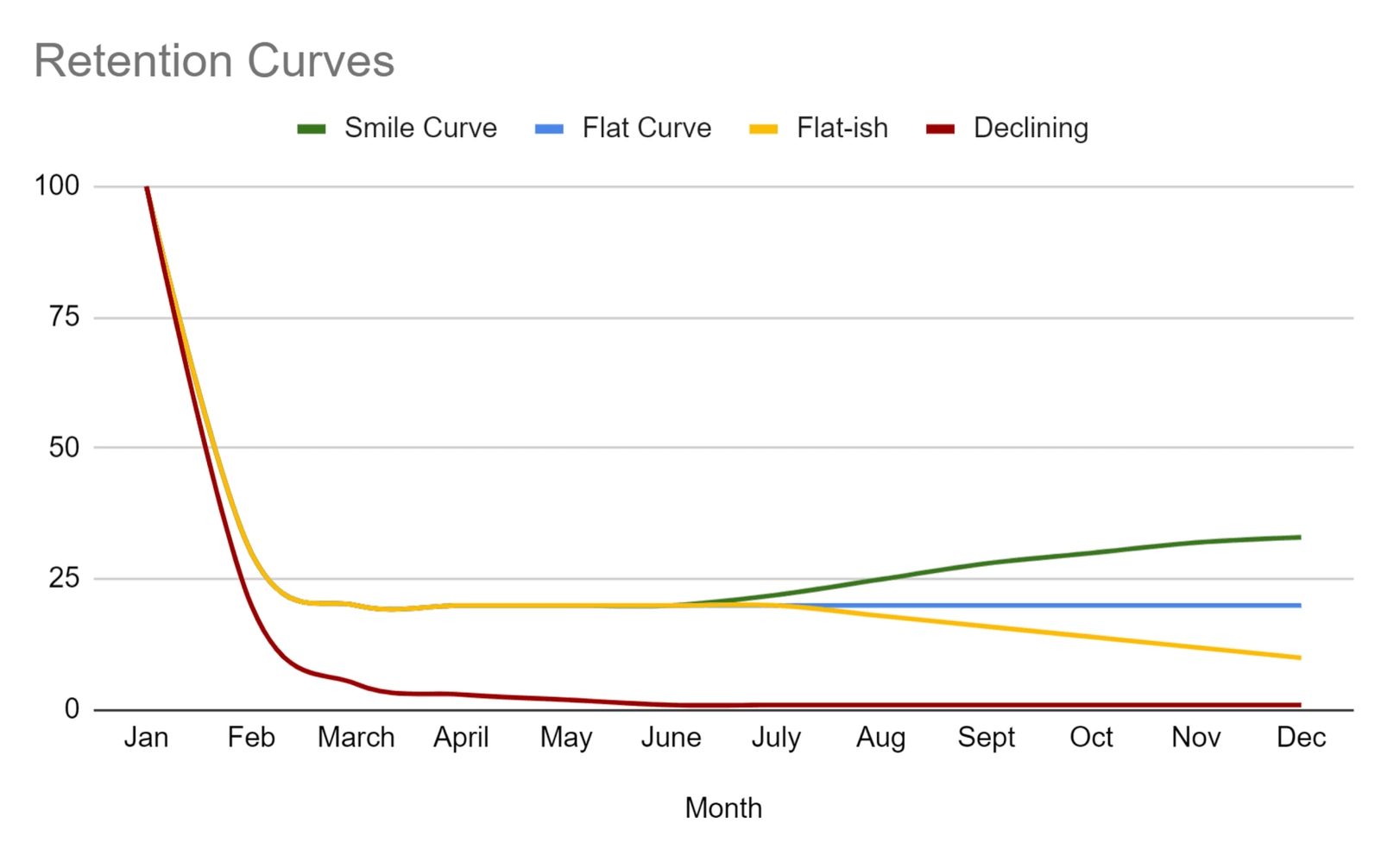
But in practice, very few SaaS products fail because of their first impression alone. Most fail because users do not build momentum after it.
The second-use experience is where products stop being judged on promise and start being judged on usefulness. This is also where many teams lose users without realizing why.
Why first impressions get disproportionate attention
First impressions are easy to design for and easy to measure. Teams can track activation, time to first action, and onboarding completion rates with relative clarity.
The second-use experience is harder to define. It depends on memory, context, and how well the product fits into a user’s workflow. Because it is harder to measure, it is often under-designed.
What actually happens between first and second use
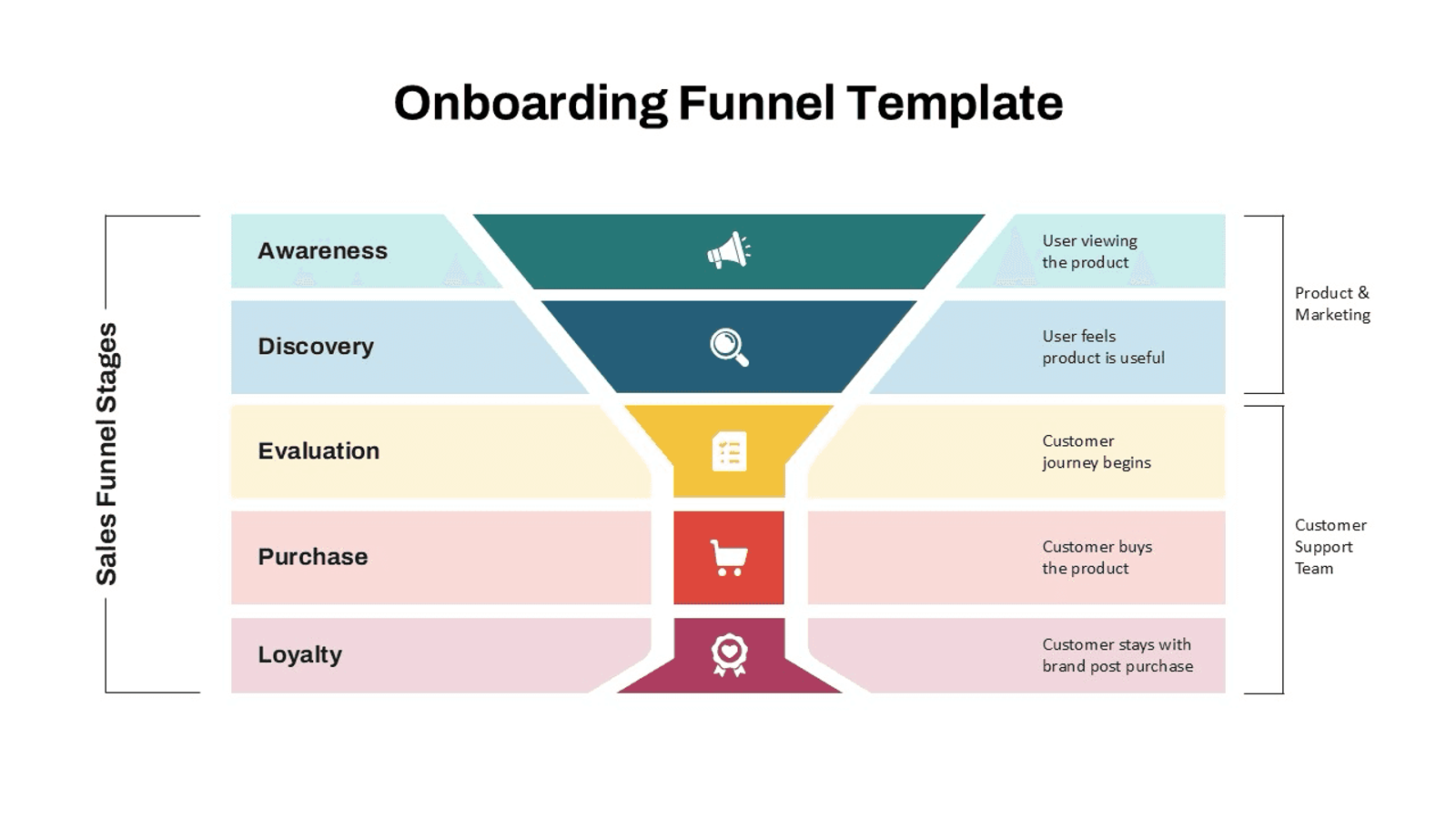
Between a user’s first and second session, something important changes. The novelty wears off and expectations become more concrete.
Users are no longer asking whether the product works. They are asking whether it is worth returning to, whether it saves time, and whether it fits naturally into what they already do. If the product does not answer those questions clearly, motivation fades.
Why products that demo well still struggle with retention
Many products are optimized to shine during demos and onboarding. The path is guided, the UI is simplified, and the experience feels intentional.
The second time a user returns, that scaffolding is often gone. The product suddenly expects recall, initiative, and exploration. This gap between guided first use and self-directed second use is where retention often breaks down.
The difference between activation and habit formation
Activation shows that a user completed a key action once. Habit formation is about whether they know what to do next without being told.
Second-use experience sits at the center of this shift. It should help users reconnect with context, understand what progress looks like now, and move forward without friction. Without that support, activation remains an isolated event.
Where second-use experience usually fails
Second-use experience often fails quietly. Dashboards are cluttered. Recent activity is unclear. The product does not acknowledge what the user did last time or why it mattered.
Instead of feeling like a continuation, the experience feels like starting over with less guidance. Users hesitate, postpone, and eventually stop returning.
Designing for recall instead of discovery
First-use experiences are designed around discovery. Second-use experiences should be designed around recall.
This means helping users quickly understand where they left off, what changed since their last visit, and what action would be most valuable right now. The goal is not to teach again, but to reorient.
How good second-use design builds momentum
When second-use experiences are designed intentionally, products start to feel easier over time instead of harder.
Users spend less energy figuring out what to do and more energy actually doing it. Progress becomes visible. Confidence builds through repetition rather than novelty.
This is often what separates products that people try from products they rely on.
Why teams rarely design second-use explicitly
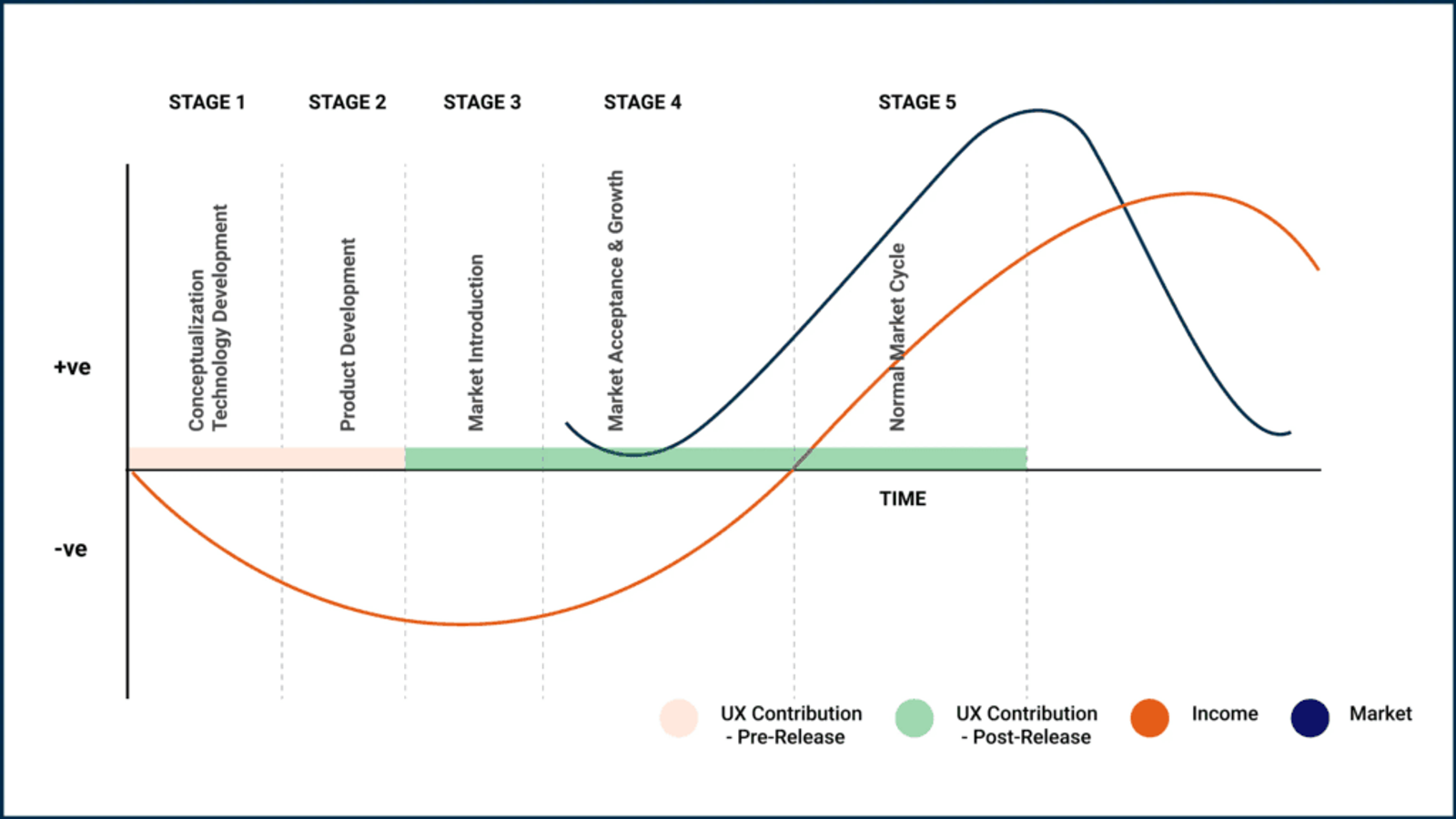
Most teams assume that if onboarding is strong, the rest will take care of itself. In reality, onboarding only covers a small slice of the experience.
Second-use design requires stepping back and mapping what happens after the user is no longer new. It requires thinking about continuity, not just clarity.
Because this work is less visible, it is often postponed or skipped entirely.
What we look for when evaluating second-use experience
When we look at products, we pay close attention to what users see when they return.
Is there a clear sense of progress. Does the product acknowledge prior actions. Is there an obvious next step that feels relevant rather than generic. These details often explain why usage either compounds or stalls.
Rethinking what good UX success actually looks like
Good UX is not about making the first session feel impressive. It is about making the second session feel easier than the first.
When products support users beyond initial impressions, they move from being interesting to being indispensable. That transition rarely happens by accident.
If your product attracts users but struggles to keep them engaged after the first few sessions, it may be worth looking closely at your second-use experience. Fixing that layer often has a bigger impact than refining onboarding or polishing visuals.
If you want help designing product experiences that support repeat use and long-term adoption, you can book a call with Studio Maydit to design flows and systems that help users build real momentum over time.