
Summarize with AI


Framer templates used to be thought of as shortcuts. Something you picked when you needed a site quickly and planned to replace later.
That perception has changed. In 2026, templates are no longer just layouts. Many of them are opinionated systems with predefined structure, interactions, and content patterns. For some teams, that is a strength. For others, it becomes a constraint.
Understanding when to use a Framer template and when to move beyond one is more important than deciding whether templates are good or bad.
What Framer templates actually are in 2026
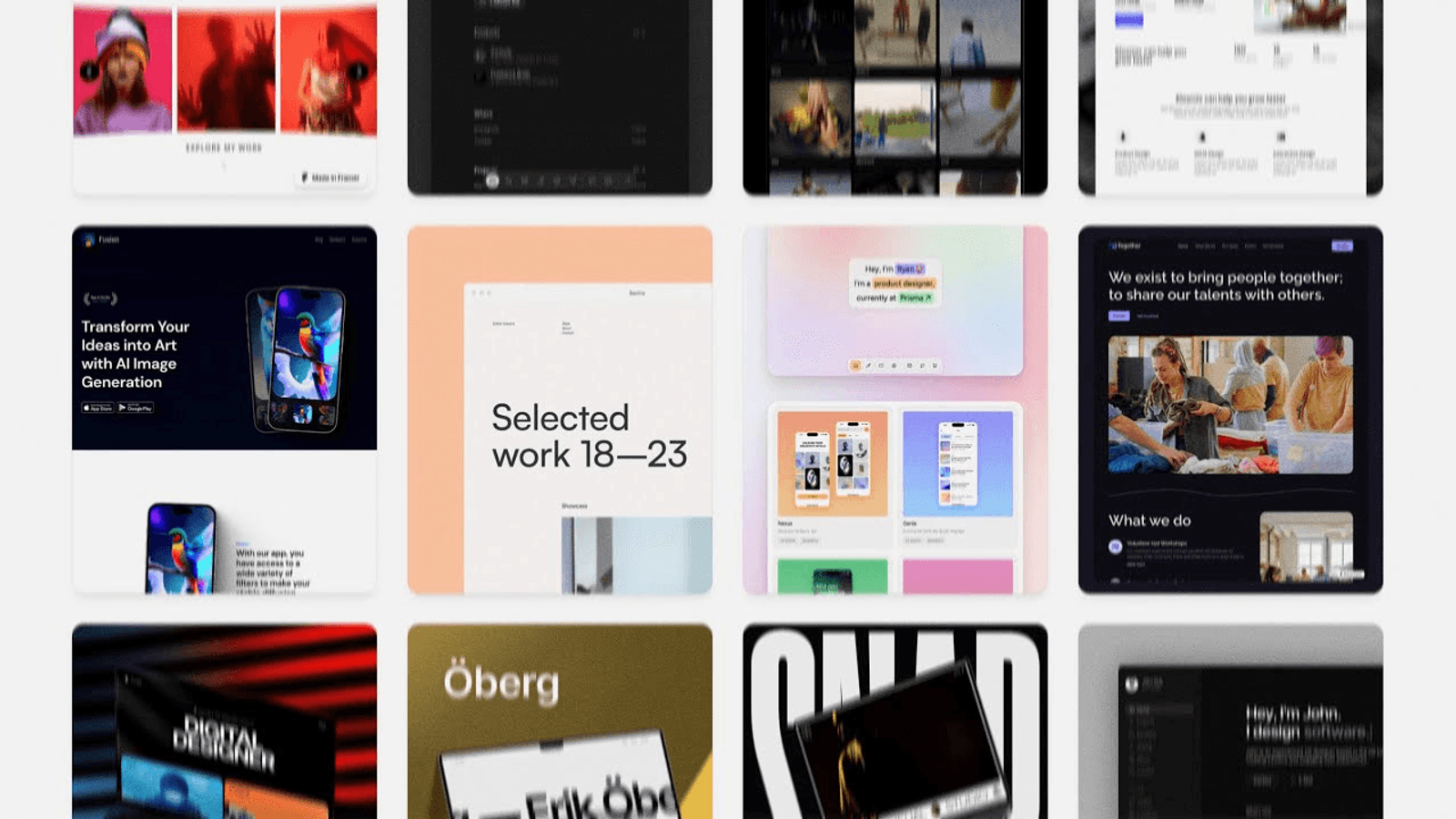
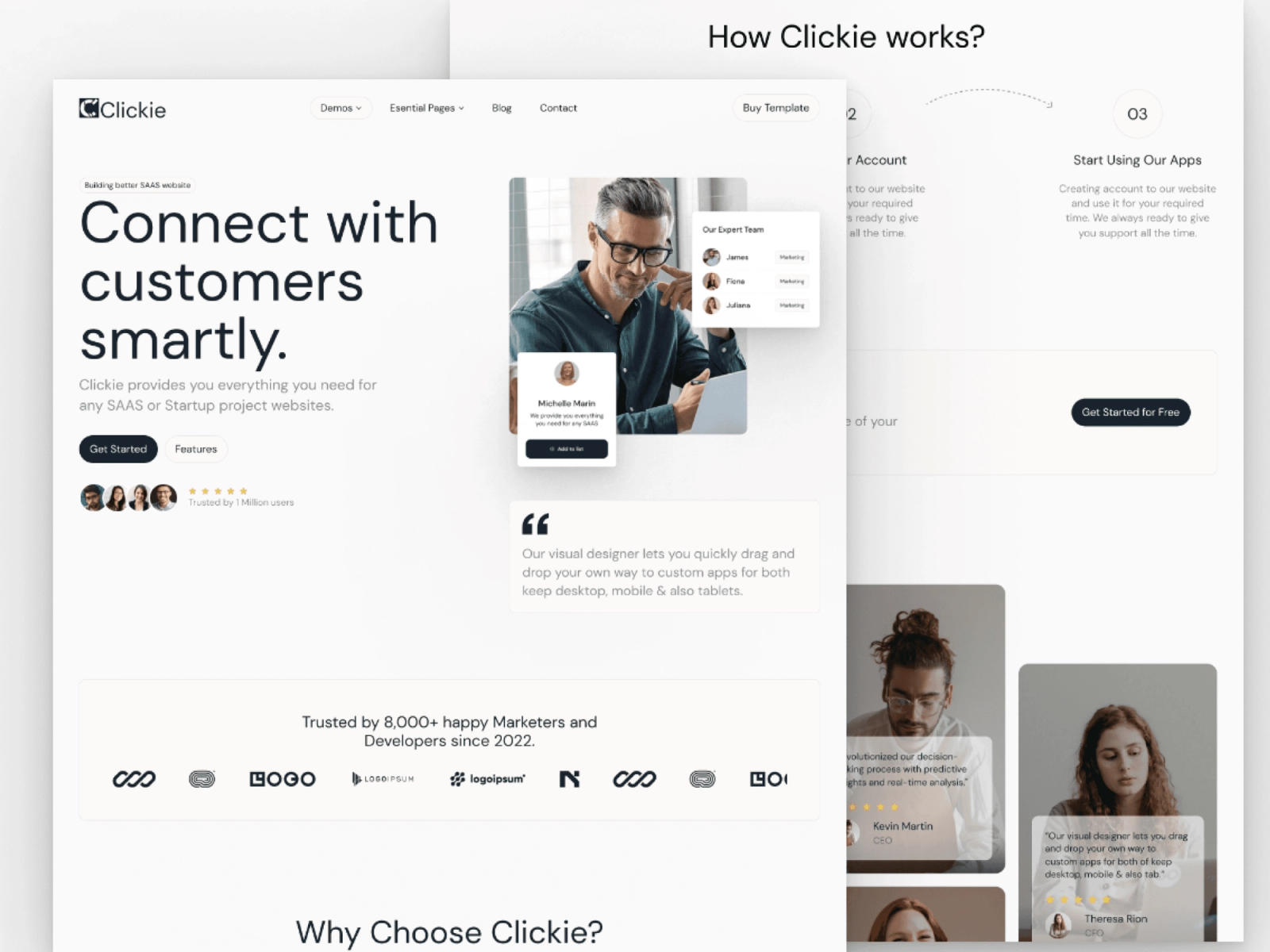
Framer templates today are closer to starter systems than finished websites. They often include page structure, component patterns, basic interactions, and CMS setups that reflect common SaaS use cases.
Instead of starting from a blank canvas, teams inherit decisions around layout, hierarchy, and flow. This can accelerate early work, but it also means adopting someone else’s assumptions.
Why teams choose Framer templates
The biggest reason teams choose templates is speed. Templates reduce the time it takes to get something live and remove many early decisions that slow teams down.
For early-stage products, this can be a real advantage. The website ships faster, the team can focus on the product, and iteration feels less expensive.
Where Framer templates work best
Templates tend to work best for marketing sites, early SaaS launches, and teams validating positioning. When the goal is clarity rather than differentiation, a well-built template can be more than sufficient.
They are also useful when internal resources are limited and the website needs to be easy to maintain without ongoing design involvement.
Where Framer templates start to break down
As products mature, templates often show their limits. Content grows, messaging evolves, and the product story becomes more specific.
At that point, templates can feel rigid. Small changes ripple through the system. Components that once felt helpful start to constrain layout and hierarchy. Teams spend time fighting the template instead of shaping the experience.
Customization versus structure
One of the trade-offs with Framer templates is customization versus structure. Templates provide guardrails, but those same guardrails can prevent necessary changes later on.
The question is not whether a template can be customized, but how much effort it takes to make it truly fit your product. When customization starts to feel like workarounds, the template is no longer doing its job.
Templates and SEO considerations
Templates themselves are not good or bad for SEO. What matters is how they are used.
Clean structure, proper heading hierarchy, internal linking, and performance all matter more than whether a site started from a template. Poor SEO outcomes usually come from rushed content and unchanged defaults, not from the template itself.
When a template is enough
A template is usually enough when the website’s job is to explain a simple value proposition, capture demand, and stay out of the way.
If your product is early, your messaging is still forming, or your website is not yet a core growth lever, a template can be the right choice.
When it is time to move beyond a template
As soon as the website needs to support nuanced messaging, multiple audiences, or complex product stories, templates start to feel limiting.
This is often when teams realize that the website is no longer just a marketing asset. It becomes part of the product experience itself. At that point, relying on a generic structure can hold growth back.
How we think about Framer templates at Studio Maydit
We do not treat templates as shortcuts or as final solutions. We treat them as tools.
In some cases, starting from a template makes sense. In others, starting from first principles is faster in the long run. The right approach depends on the product, the team, and what the website needs to do next.
Choosing the right path
Framer templates are neither a mistake nor a silver bullet. They are a starting point with trade-offs.
If you are evaluating whether a template is the right foundation for your website in 2026, the most important question is not how polished it looks, but how well it will adapt as your product grows.
If you want help deciding whether a Framer template is enough for your current stage, or whether a custom approach would better support long-term iteration and conversion, you can book a call with Studio Maydit to choose the right website foundation for where your product is headed.