Top 10 B2B SaaS Product Design Trends in 2026: A Cheatsheet
Product design in B2B SaaS is shifting away from surface-level polish and toward systems that support clarity, speed, and trust. These trends are less about what looks modern and more about how products reduce friction as they scale.
4 min read


Over the past year, a clear pattern has started to emerge across B2B SaaS products. The teams doing well are not chasing visual trends or overhauling interfaces for novelty. They are making quieter, more structural decisions about how their products behave.
Most of these shifts are responses to the same pressure. SaaS products are becoming more complex, users are less patient, and differentiation through features alone is getting harder. Design is increasingly expected to carry more of the cognitive load.
The trends below are not predictions pulled from theory. They reflect what is actually changing in how B2B SaaS products are being designed and shipped going into 2026.
Products designed around flows, not screens
More teams are designing end-to-end flows instead of optimizing individual screens. The focus has shifted to how decisions unfold over time and how context is built gradually.
This reduces cognitive overload and makes products feel easier to use without adding visual noise.
Heights Platform turns this idea into reality with products designed around flows. As an all-in-one AI-powered platform for building online courses and communities, it helps creators easily create natural end-to-end journeys that guide users step by step through content and decisions.
Interfaces that default to progressive disclosure
B2B products are becoming more intentional about what they reveal and when. Advanced options, secondary actions, and edge cases are increasingly hidden until they are relevant.
This helps products serve both new users and power users without overwhelming either group.
Design systems built for speed, not control
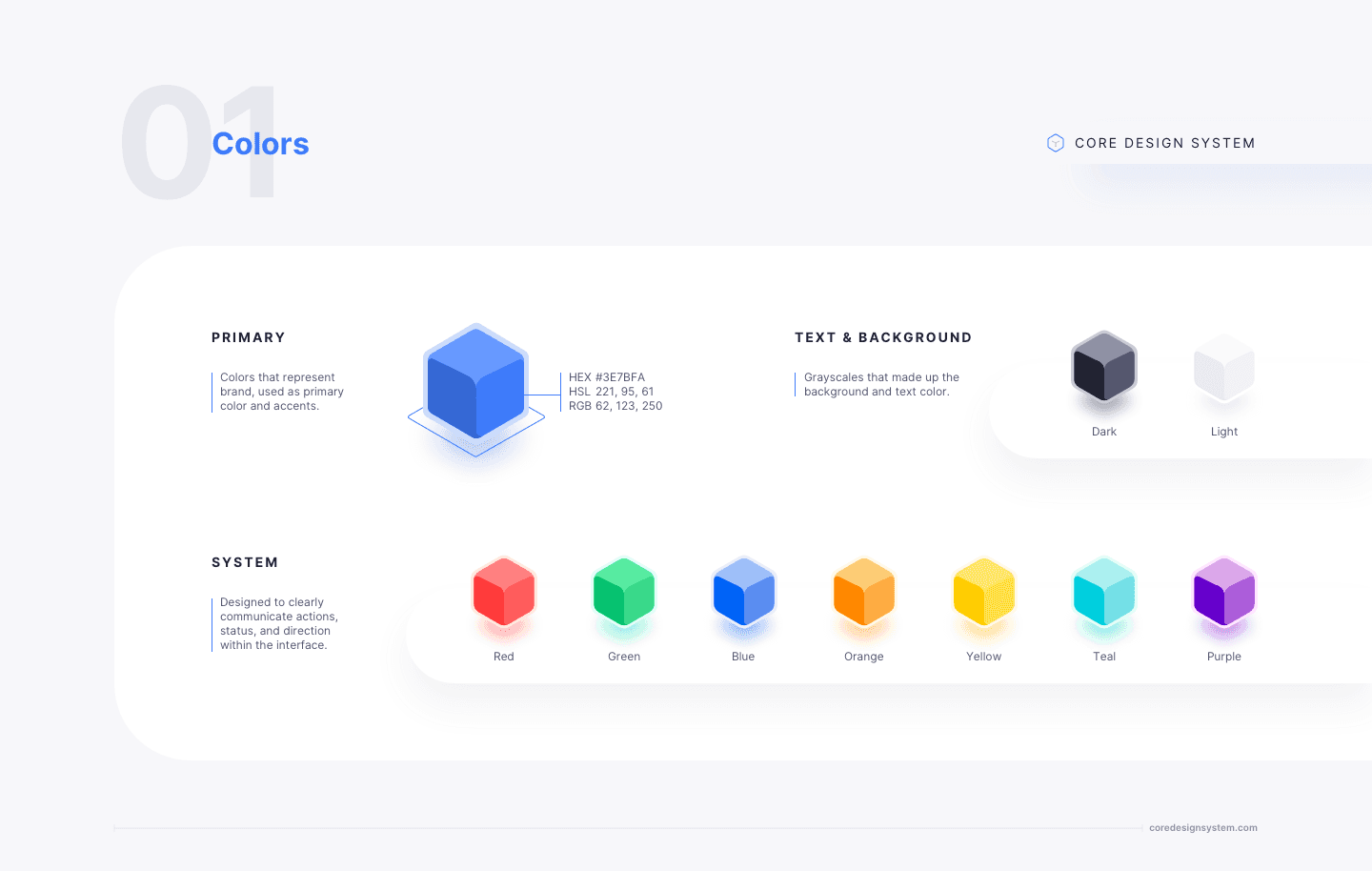
Design systems are being simplified. Instead of exhaustive component libraries, teams are prioritizing flexible primitives that enable faster iteration.
The goal is less governance and more momentum, especially as product teams grow.
Fewer empty states, more guided starts
Instead of blank dashboards, products are offering guided entry points that help users take their first meaningful action quickly.
This reflects a shift toward activation-focused design rather than assuming users will explore on their own.
Copy treated as part of the interface
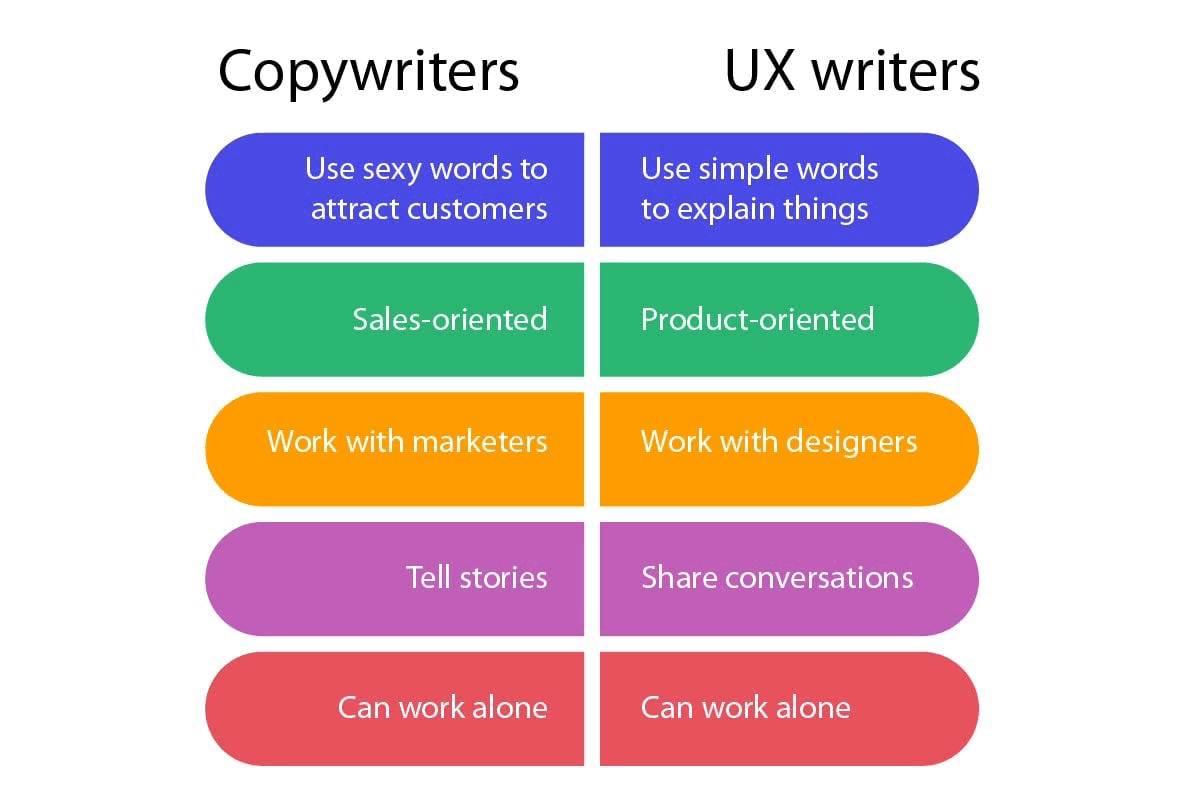
Product copy is no longer an afterthought. Teams are treating language as a core design material that shapes understanding and behavior.
Clear, contextual copy is increasingly doing the work that UI complexity used to compensate for.
More emphasis on system feedback and reassurance
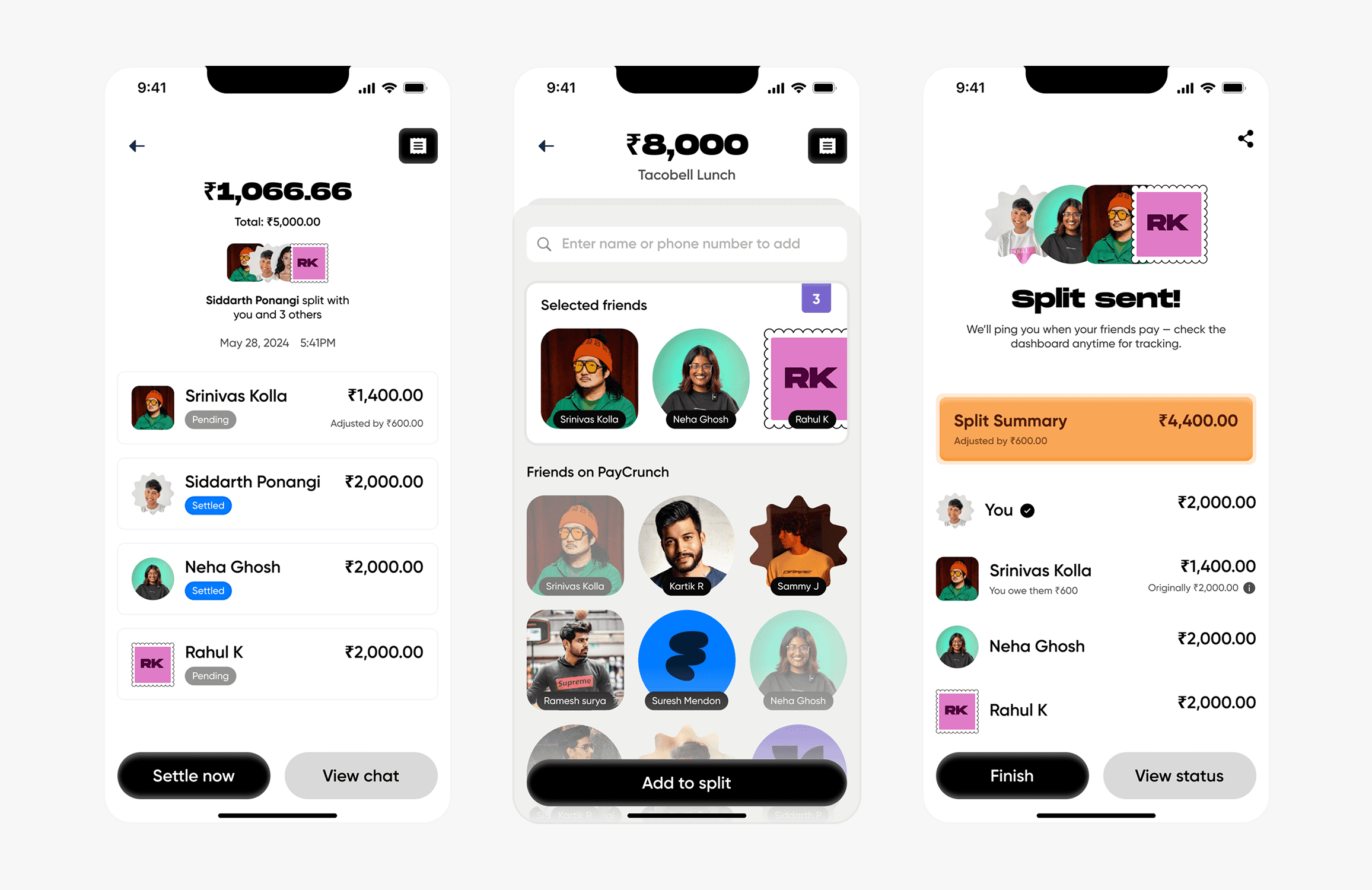
Users want to know what just happened and what will happen next. Products are investing more in clear feedback, confirmation states, and system visibility.
This builds trust, especially in products that handle sensitive data or critical workflows.
Customization without configuration overload
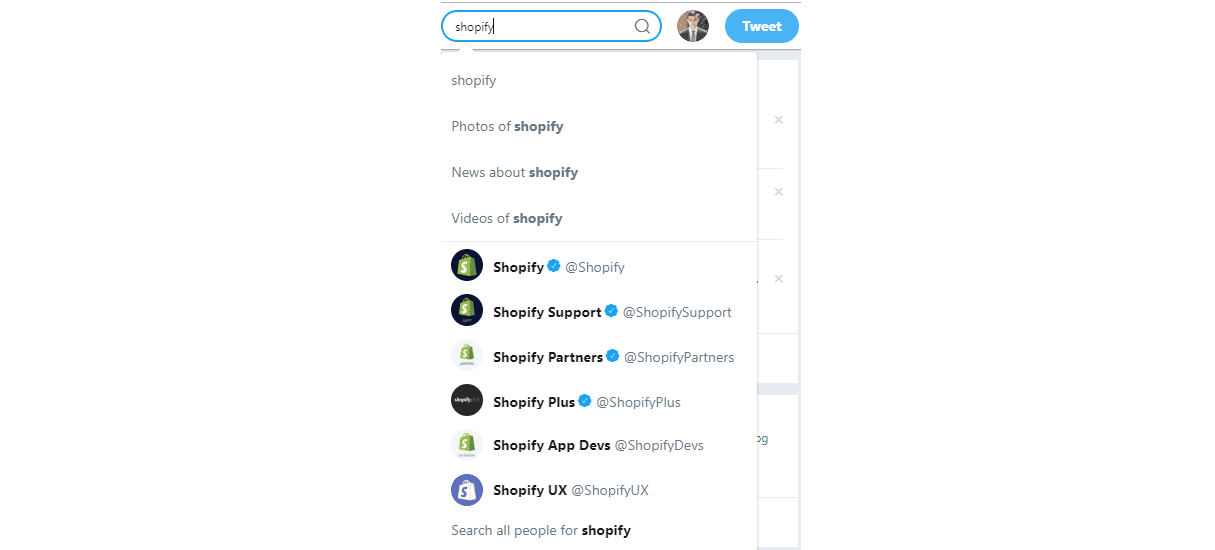
Instead of deep settings panels, products are offering lightweight personalization that adapts over time.
Defaults are smarter, and customization is often implicit rather than explicitly configured.
Design decisions driven by activation, not aesthetics
More teams are measuring design success based on activation and adoption, not visual refinement.
This has led to fewer redesigns and more targeted improvements tied to user behavior.
Products designed to scale clarity, not features
As products grow, teams are becoming more selective about what they add. New features are evaluated based on whether they preserve or erode clarity.
Design plays a key role in maintaining coherence as functionality expands.
Designers operating closer to product strategy
Product designers are increasingly involved earlier in problem definition, not just execution.
This has shifted design’s role from polish to leverage, influencing what gets built as much as how it looks.
None of these trends are flashy, and that is intentional. B2B SaaS design in 2026 is less about standing out visually and more about staying understandable as products grow.
If your product feels harder to use as it scales, it is often a sign that design decisions are lagging behind product complexity. Addressing that gap usually starts with rethinking structure, flows, and priorities rather than refreshing the interface.
If you want help aligning your product design with where B2B SaaS is heading, you can book a call with Studio Maydit to design systems and flows that scale clarity as your product grows.
Continue Reading

ChatGPT Is Introducing Ads. Here’s the UX Risk Nobody Is Talking About
As ChatGPT prepares to introduce ads, most conversations focus on revenue and scale. But the bigger question is how monetization reshapes user trust, cognitive flow, and product intent. This Studio Notes piece explores the hidden UX risks product teams should pay close attention to.

Siddarth Ponangi
Why designing for power users too early breaks SaaS products
Many SaaS products become difficult to use not because they lack features, but because they introduce complexity before users are ready for it. Designing for power users too early often feels like progress, but it quietly undermines adoption for everyone else.
Siddarth Ponangi
Why second-use experience matters more than first impressions in SaaS
Many SaaS products spend enormous effort optimizing first impressions. What often gets overlooked is what happens when users come back for the second time, which is usually where real adoption either starts or quietly falls apart.
Siddarth Ponangi