
Summarize with AI


Websites are becoming decision filters, not brochures
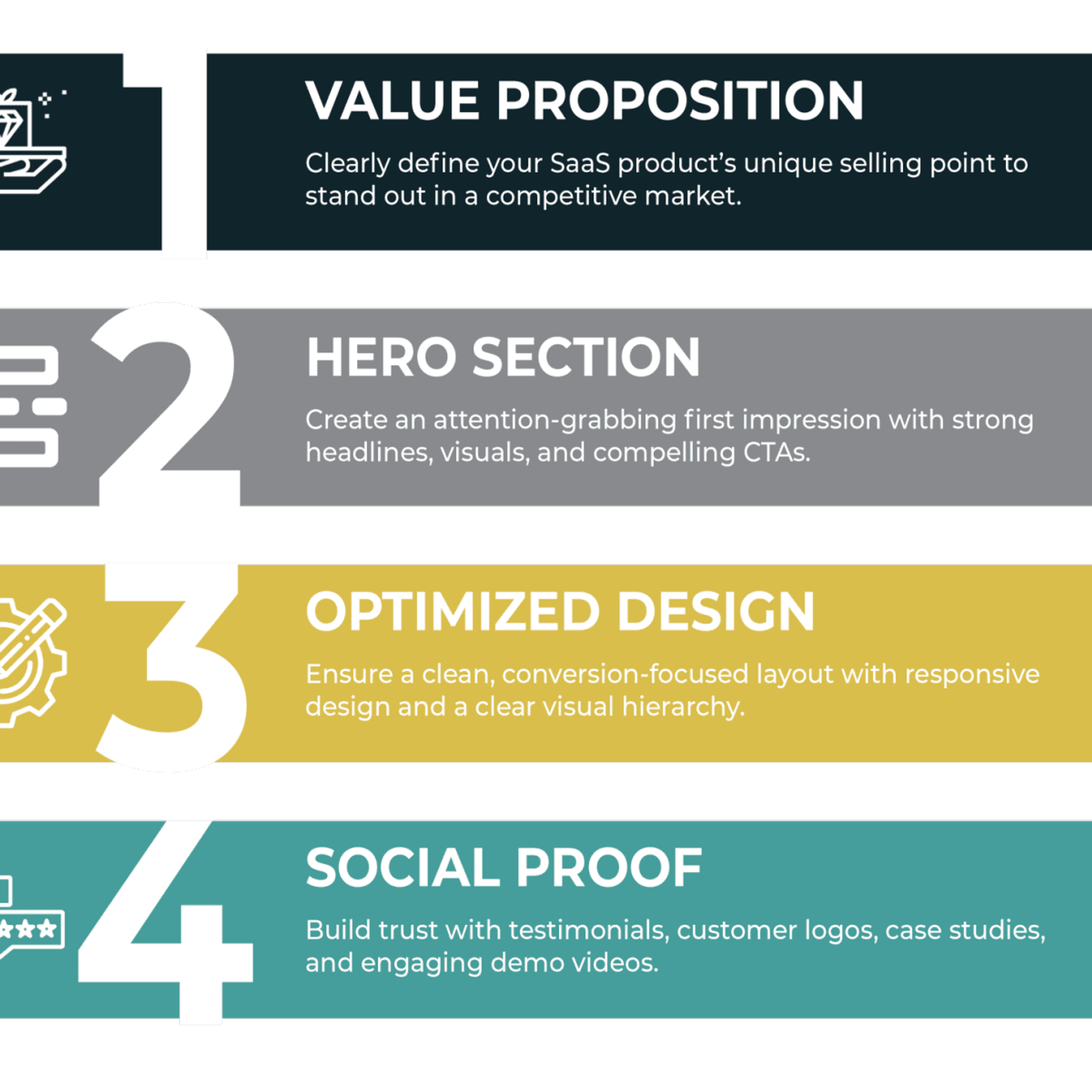
B2B SaaS websites in 2026 are built to help visitors decide quickly whether a product is for them. The goal is not persuasion at scale, but qualification. High-performing sites remove ambiguity early by being explicit about who the product is for, what problem it solves, and what action to take next.
This means fewer CTAs, clearer positioning, and language written for a specific buyer. When the site does its job properly, sales conversations start later in the funnel and close faster because the visitor already understands the value.
Personalization is subtle and contextual, not aggressive
Personalization has shifted from flashy AI experiences to quiet relevance. Instead of dramatically changing entire pages, modern SaaS websites make small contextual adjustments based on industry, company size, or intent.
This could mean surfacing the most relevant case study, adjusting examples in the copy, or highlighting features that matter to a specific segment. The best personalization reduces cognitive load and makes the experience feel natural, not intrusive.
Motion design is used to explain, not impress
Motion in 2026 is functional. Animations exist to clarify flows, demonstrate how a product works, or guide attention through complex interfaces.whene
For SaaS products with layered functionality, motion replaces long explanations. A short interaction showing how data moves through the product communicates value faster than paragraphs of text. Decorative motion without purpose is increasingly seen as noise.
Minimal layouts with progressive depth are winning
SaaS buyers want simplicity at first glance and depth when they choose to explore. Websites are now designed with clean surfaces and progressively revealed information.
High-level value propositions appear immediately, while technical details, comparisons, and specifications are accessible through expandable sections, tabs, or inline reveals. This allows both executives and technical buyers to get what they need without overwhelming either group.
Mobile-first design matters for B2B more than ever
B2B research no longer happens only at desks. Buyers scan products on phones, shortlist on tablets, and return later to convert.
In 2026, mobile-first means designing the mobile experience first, not resizing desktop layouts. Forms are shorter, navigation is thumb-friendly, and information is structured for scanning. Poor mobile UX silently kills high-intent leads before they ever reach sales.
Accessibility is becoming a real competitive advantage
Accessibility is no longer just about compliance. It is now part of enterprise buying criteria and RFPs.
Clear contrast, readable typography, logical structure, and keyboard-friendly navigation improve usability for everyone. Accessible websites reduce friction, improve comprehension, and often convert better across the board.
Speed continues to be a trust signal
Website performance remains one of the strongest indicators of credibility. Fast websites feel modern and reliable. Slow websites feel outdated and risky.
In 2026, speed is not a backend concern. It is part of the brand experience. Buyers subconsciously associate performance with product quality and operational maturity.
Component-based systems replace one-off pages
High-growth SaaS teams are moving away from one-off page design. Instead, they build modular systems that allow marketing teams to launch and test quickly without breaking consistency.
Component-based websites make iteration faster, reduce dependency on designers and developers, and keep brand quality intact as the site scales. This shift is critical for teams that run frequent campaigns or experiments.
What this means for SaaS teams in 2026
The websites that win in 2026 are not trend-driven. They are decision-driven.
They make it easy for the right buyer to understand the product, trust the company, and take the next step without friction. Design is no longer about looking modern. It is about removing doubt.
At Studio Maydit, we design SaaS websites as systems built for clarity, speed, and long-term conversion performance. If your website was built before 2024, it is likely costing you more opportunities than you realise.
If you want to know which of these your own site is missing, book a 30 minute call and we will go through it page by page.