
Summarize with AI


Webflow templates are often positioned as an easy way to get a polished website live quickly. For many teams, that promise holds true in the early stages.
In 2026, however, templates are no longer just visual starting points. Many of them come with strong opinions about structure, CMS usage, interactions, and page hierarchy. Depending on your stage, that can either accelerate progress or quietly limit it.
Understanding how Webflow templates behave over time is more important than deciding whether they are good or bad.
What Webflow templates actually are in 2026
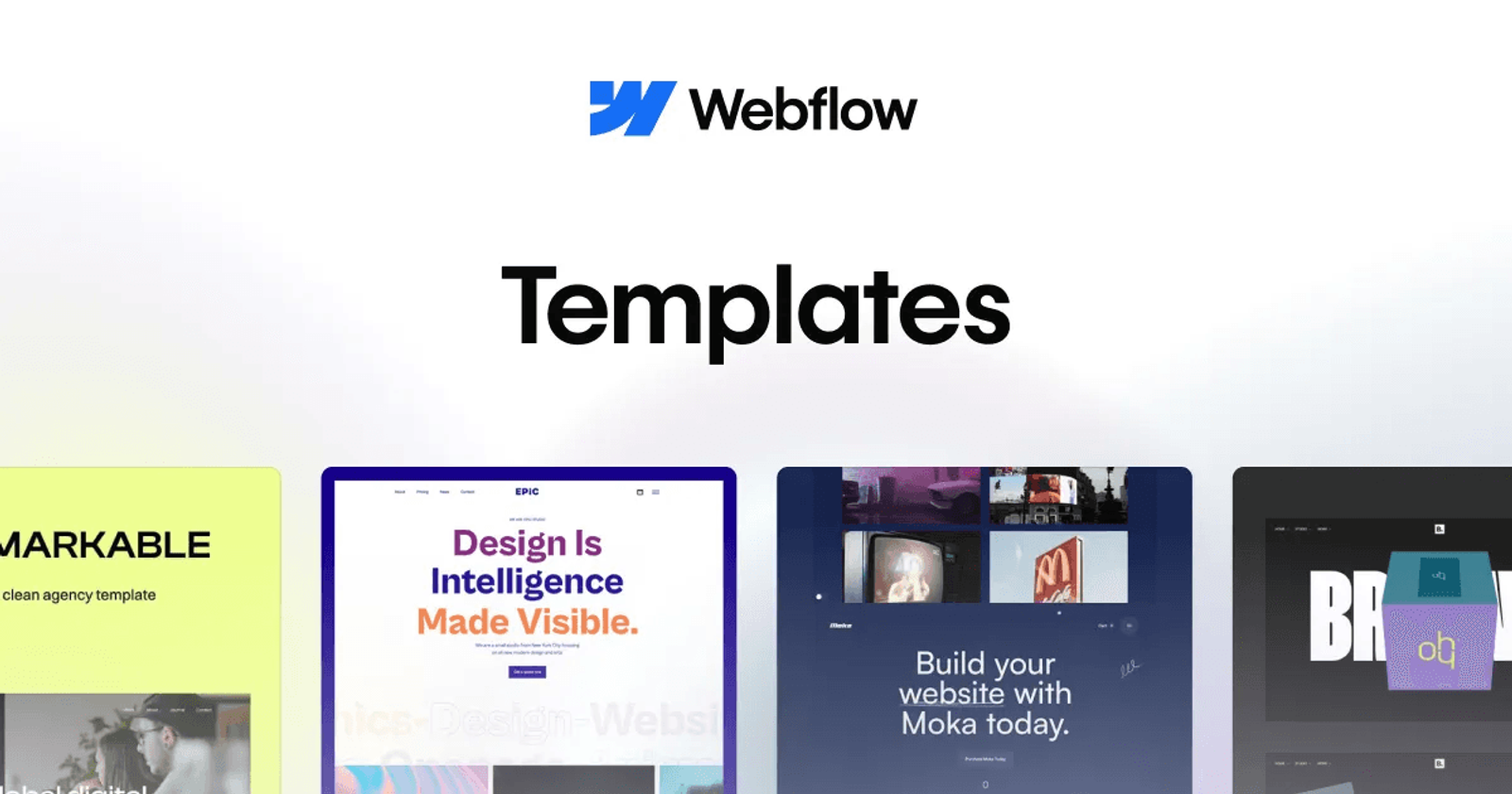
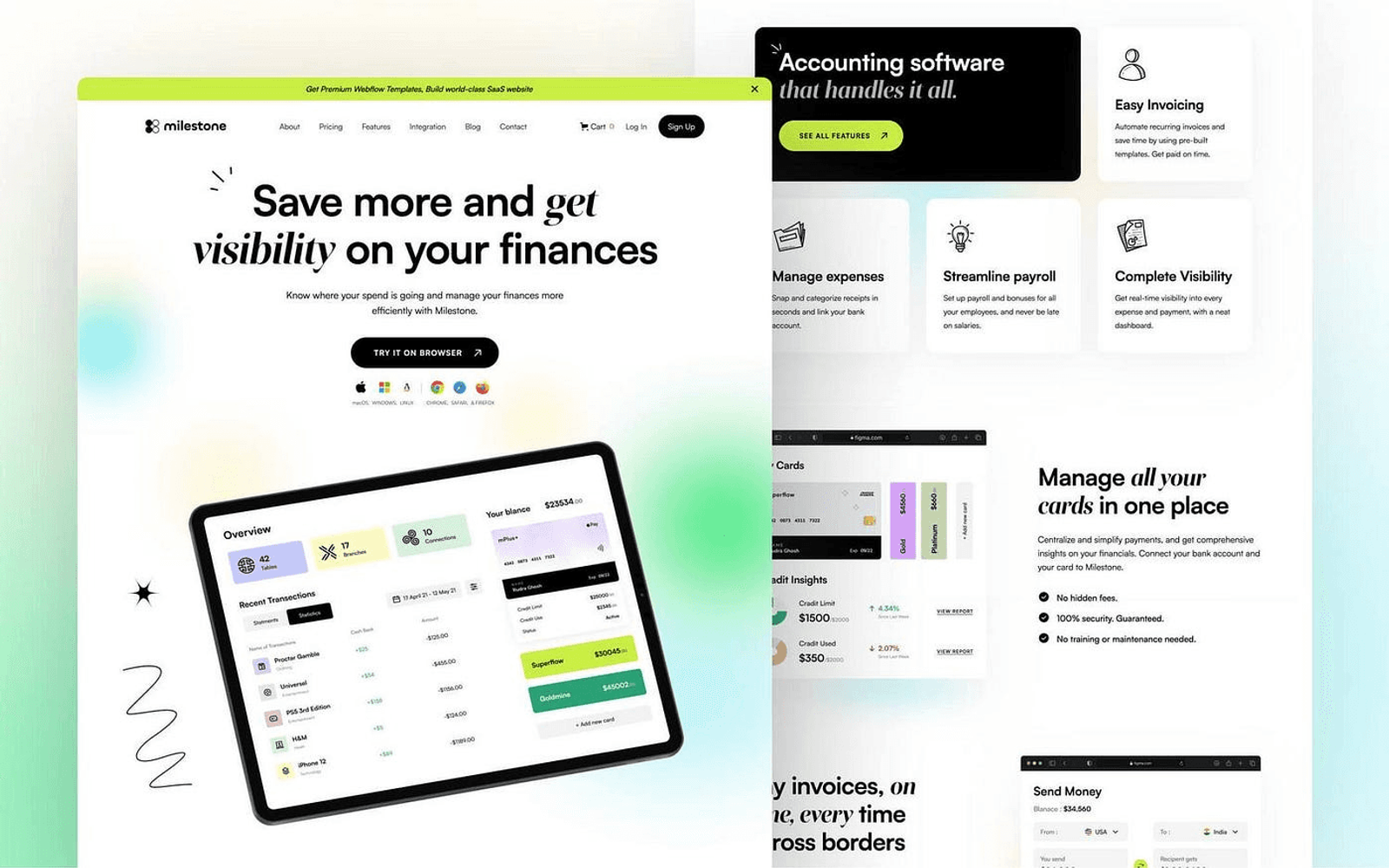
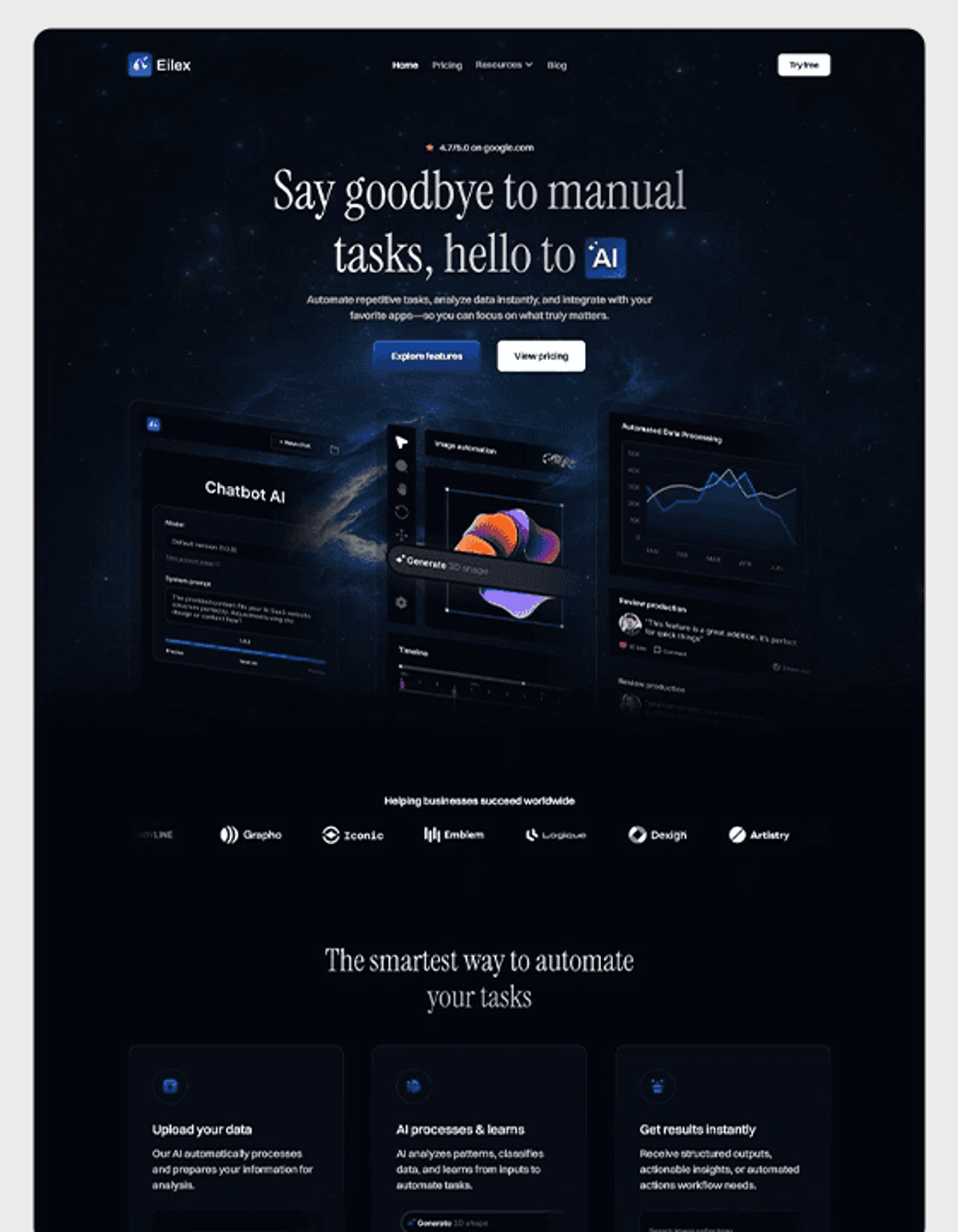
Webflow templates today are full site frameworks rather than simple layouts. They often include CMS collections, reusable components, interactions, and predefined page structures designed around common SaaS patterns.
When you choose a template, you are not just choosing a look. You are inheriting assumptions about how your content should be organized and how your site should scale.
Why teams choose Webflow templates
The primary reason teams choose templates is speed. Templates remove many early decisions and make it possible to launch without deep design or development investment.
For early-stage teams, this is often the right trade-off. The website goes live faster, iteration feels less risky, and the team can focus on the product instead of infrastructure.
Where Webflow templates work best
Templates work best when the website’s role is straightforward. Marketing pages, early product sites, and content-light SaaS websites benefit the most.
When the goal is clarity rather than differentiation, a well-structured template can do the job without introducing unnecessary complexity.
Where Webflow templates start to show limitations
As products grow, templates begin to reveal their constraints. Content expands, messaging becomes more specific, and teams want more control over hierarchy and flow.
At this stage, templates can feel rigid. CMS structures may no longer fit the content. Components become harder to adapt. Small changes start requiring larger refactors.
The trade-off between flexibility and structure
Webflow templates offer structure in exchange for flexibility. Early on, those constraints are helpful. They keep teams focused and prevent over-designing.
Later, the same constraints can slow teams down. The question becomes whether the template still supports your product’s direction or whether it is shaping it in ways you did not intend.
Templates and long-term SEO considerations
Templates are not inherently bad for SEO. What matters is how content is structured and maintained over time.
Problems usually arise when teams leave default content untouched, duplicate layouts excessively, or avoid revisiting information architecture as the site grows. SEO issues tend to come from neglect, not from the template itself.
When a Webflow template is enough
A template is often enough when the website’s primary job is to explain a clear value proposition, support acquisition, and stay easy to manage.
If your product is early, your messaging is still evolving, or the website is not yet a primary growth lever, templates can be an efficient choice.
When it is time to move beyond a template
As soon as the website needs to support multiple audiences, deeper product stories, or more nuanced conversion paths, templates start to feel limiting.
This is usually the moment teams realize the website is no longer just a marketing surface. It becomes part of the product experience. At that point, generic structures can hold progress back.
How we think about Webflow templates at Studio Maydit
We do not treat templates as shortcuts or as final answers. We treat them as starting points with clear trade-offs.
In some cases, adapting a template is the fastest path forward. In others, starting from first principles saves time and frustration later. The right approach depends on the product, not the tool.
Choosing the right foundation
Webflow templates are neither a mistake nor a guarantee of success. They are a foundation that needs to match your current stage and future direction.
If you want help deciding whether a Webflow template is enough for where your product is today, or whether a custom structure would better support long-term iteration and conversion, you can book a call with Studio Maydit to choose the right website foundation for your next phase of growth.