Why most SaaS onboarding fails after the first “success” moment
Many SaaS onboarding flows are designed to get users to their first win as quickly as possible. What often gets ignored is what happens immediately after that moment, when users are left without enough direction to build real momentum.
Jan 8, 2026


Most SaaS onboarding today is built around a single milestone. Create your first project. Invite a teammate. Connect an integration. See something work.
That first success moment feels good. It gives users reassurance that the product does what it promised. Teams celebrate that milestone internally because it looks like progress.
But in practice, this is where many onboarding experiences quietly fall apart.
The problem is not that the first success moment exists. The problem is that onboarding often stops thinking right after it.
How onboarding is usually designed today
Most onboarding flows are optimized to reduce friction up to the first visible outcome. Screens are simplified, steps are reduced, and copy is focused on getting users to complete one key action as fast as possible.
This approach works well for activation metrics. It does not work as well for long-term adoption.
Once the user reaches that first success, the product often assumes they now understand what to do next.
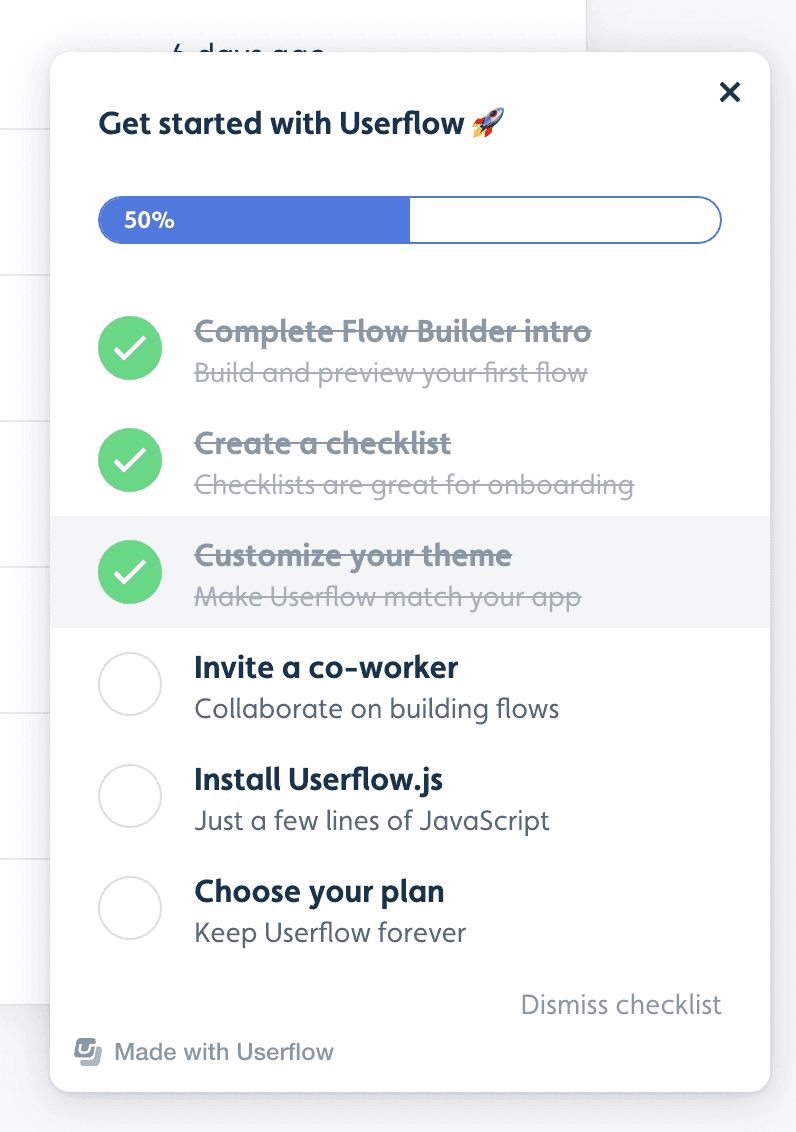
Why the first success moment creates a false sense of progress
That initial win creates confidence, but it does not create understanding.
Users know that something worked, but they do not yet know how the product fits into their workflow, how often they should return, or what meaningful progress looks like over time. Without that context, the success moment becomes a dead end instead of a bridge.
From the team’s perspective, onboarding looks complete. From the user’s perspective, the product still feels unfinished.
What users actually need after the first win
After the first success moment, users are looking for orientation, not celebration.
They want to know what matters next, what a good setup looks like, and how to avoid making mistakes early on. This is the point where guidance becomes more important than speed.
Many onboarding flows miss this because they treat success as the finish line instead of the starting point.
Where most onboarding flows drop the ball
The common pattern is a sharp drop in guidance right after activation.
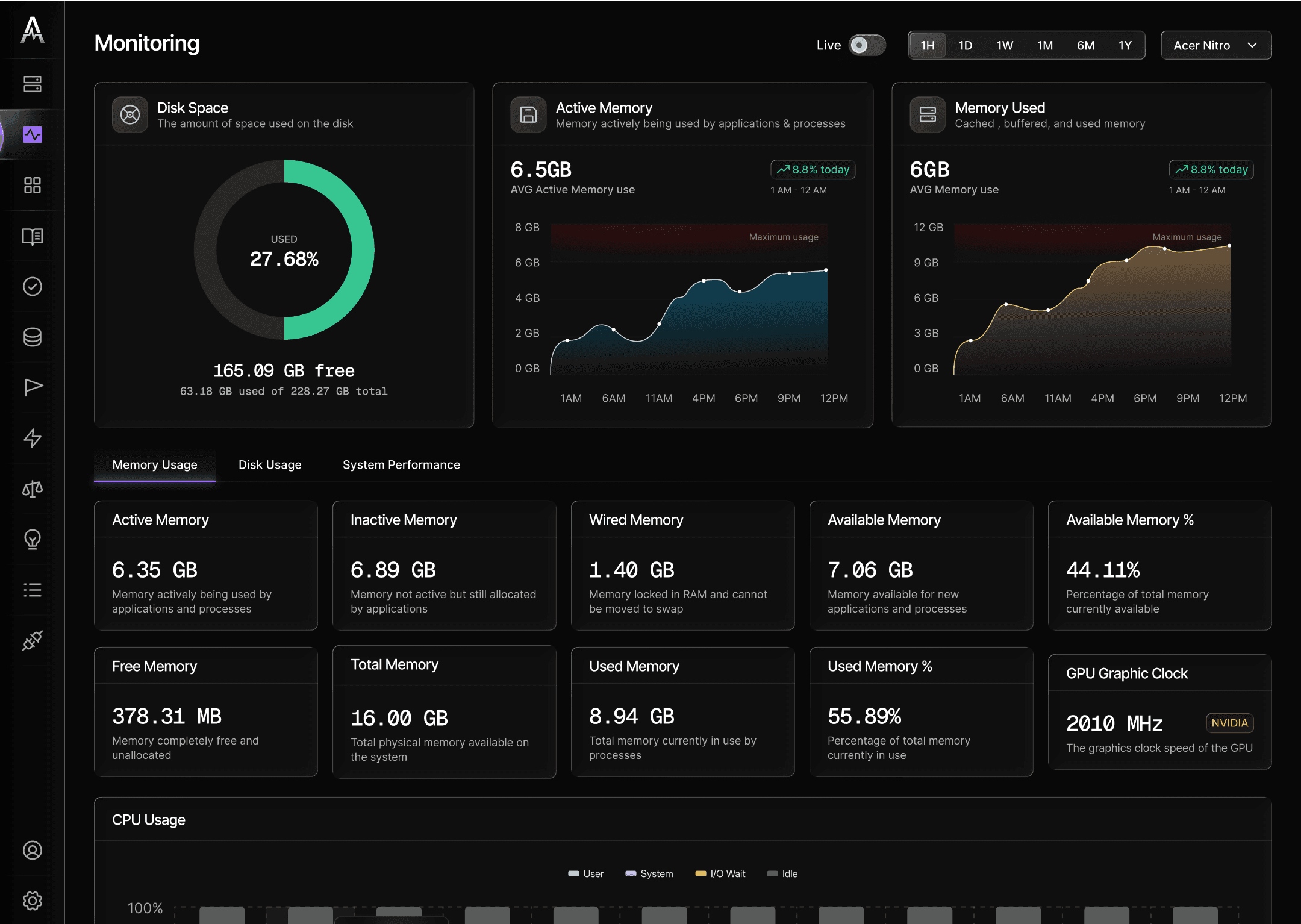
The UI becomes more complex. Empty states disappear. Tooltips stop showing up. The product suddenly expects users to self-direct, even though they have only completed a narrow slice of the experience.
This is often where users disengage, not because the product is bad, but because it asks them to figure out too much on their own too soon.
Why activation metrics can be misleading
Activation metrics tend to reward short-term behavior. They measure whether a user reached a moment, not whether they understood what to do afterward.
When teams optimize onboarding purely around activation, they risk building experiences that feel great for five minutes and confusing for the next five days.
Good onboarding is not just about getting users to do something once. It is about helping them build a habit.
Designing onboarding as a sequence, not a funnel
The mistake is thinking of onboarding as a funnel that ends at activation.
A more useful way to think about onboarding is as a sequence that extends beyond the first success moment. Each step should prepare the user for the next one, gradually increasing autonomy instead of dropping them into complexity.
This requires designing for pacing, not just completion.
How better onboarding supports long-term adoption
Onboarding that continues past the first win helps users understand what progress actually looks like in the product.
It sets expectations, reinforces the right behaviors, and reduces uncertainty at moments where users are most likely to hesitate. The goal is not to keep holding the user’s hand, but to let go at the right time.
That transition is where most onboarding succeeds or fails.
What we look for when evaluating onboarding
When we look at onboarding flows, we pay close attention to what happens immediately after the first success moment.
Is there a clear next step, or does the product suddenly go quiet. Does the UI guide the user toward a second meaningful action, or does it assume they will explore on their own. These small moments often explain why adoption stalls even when activation looks healthy.
Why onboarding failures are usually invisible
Onboarding that fails after the first success moment does not always show up in obvious ways.
Users do not necessarily complain. They simply stop returning. Metrics flatten out. Teams assume the issue is pricing, marketing, or feature gaps, when the real problem is that users were never guided past the initial win.
Rethinking what successful onboarding actually means
Successful onboarding is not about how fast users reach their first success. It is about how confidently they move toward their second and third.
When onboarding is designed as a sequence instead of a sprint, users feel supported long enough to build real momentum.
If your onboarding feels polished but adoption drops shortly after activation, it is worth looking closely at what happens after the first success moment. Fixing that gap often has more impact than adding another tooltip or screen.
If you want help evaluating whether your onboarding supports users beyond their first win, you can book a call with Studio Maydit to design onboarding flows that lead to sustained product adoption, not just early activation.
Continue Reading

Your SaaS Website Is Polished. That’s Not Why It’s Not Converting.
Most SaaS websites look finished on the surface. Underneath, they struggle to guide users, build trust, and convert intent into action. After working closely with SaaS founders and product teams, we’ve seen why polish fails and where conversion really comes from.

Siddarth Ponangi
Your SaaS Website Is Polished. That’s Not Why It’s Not Converting.
Most SaaS websites look finished on the surface. Underneath, they struggle to guide users, build trust, and convert intent into action. After working closely with SaaS founders and product teams, we’ve seen why polish fails and where conversion really comes from.
Siddarth Ponangi
Your SaaS Website Is Polished. That’s Not Why It’s Not Converting.
Most SaaS websites look finished on the surface. Underneath, they struggle to guide users, build trust, and convert intent into action. After working closely with SaaS founders and product teams, we’ve seen why polish fails and where conversion really comes from.
Siddarth Ponangi